Lots of people are seasonal readers, settling into cold and snowy books in the winter, hot and sunny books in the summer. It makes the book feel more immersive. Maybe helps you savor the season you’re in. But lately, I’ve been enjoying reading out of season.
I’ve spent this last week reading “The Terror” by Dan Simmons, a book set in the frigid north in which two steamships in the 1800s get frozen into the pack ice while searching for the Northwest Passage. The crew is forced to spend years in the dark, frozen wasteland as storms pummel their ship, food supplies dwindle, and an unknown creature haunts them as they wait for a summer thaw to release their ship.
It’s a delightfully fun book — but there’s something extra fun reading about the extreme cold in the summer. I’ve spent my mornings sitting on the stoop outside my front door, listening to the birds chirp around me while the men aboard the HMS Terror are quivering beneath layer after layer of clothing in 70-below temperatures, boiling water on ether stoves to unfreeze their sledge from the pack ice.
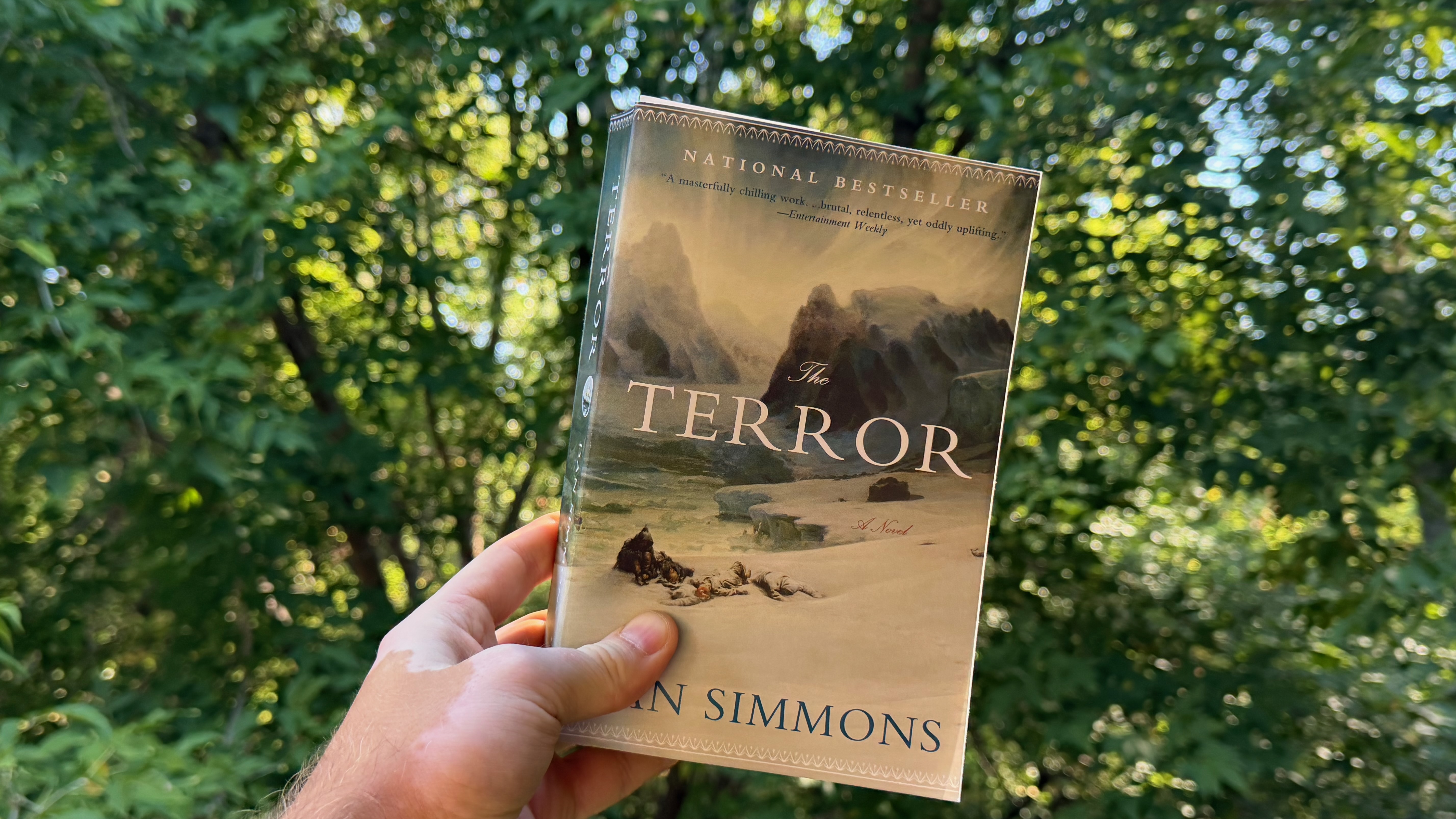
It’s funny how all that wind, snow, ice, and darkness feel more intense compared to the August heat, like a reversal where the contrast between seasons makes the book’s atmosphere more powerful.
This is mostly a summer-winter thing for me now: wintry books in summer, summery books in winter. The same isn’t quite true for fall and spring. I’ve read fall’s horror books in the spring, but it doesn’t have that same magical pull that winter-summer books have for out-of-season reading. Maybe that’s because spring and fall are equinox seasons — seasons of change where one extreme slides to another. Winter and summer are very different, they stretch slowly as the sun eases into its solstice, dragging the days and temperatures along.
Which leads me to an interesting question: what makes a “spring book?”
The other seasons have more straightforward literary companions. Winter books are snowy, cozy, and as long as winter — like the thick bois from Tolstoy and Dostoevsky, or mysteries and dark thrillers. Summer books are hot and sunny, obviously, like “Love in the Time of Cholera,” and the humidity and extroversion drips off the page. And fall’s for gothic and horror — Shirley Jackson, Stephen King, Stephen Graham Jones.
A spring book would need an atmosphere with mud, cold rain, fresh greenery. Themes of new beginnings, blooming, emergence, grief. Gardens. A remembrance of how fun, exciting, and promising the world can be.
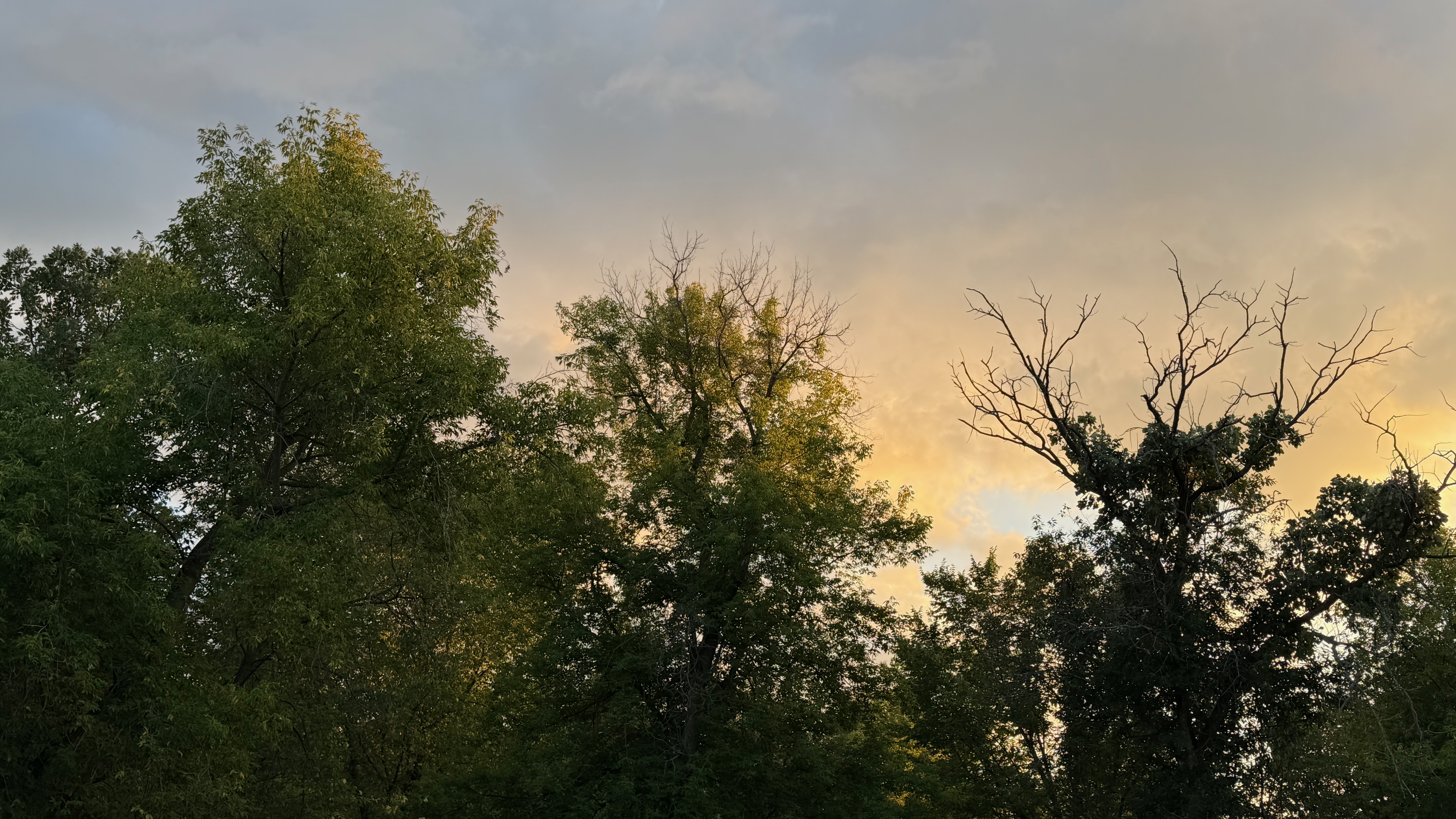
Come to think of it — “Anne of Green Gables” fits that bill. And I haven’t read the book, but I watched the adaptation of “A Room With a View” this summer, but it definitely has a spring atmosphere. But it still feels like a harder literary season to define! Even after googling “spring books” and finding tons of listicles online, there’s still something vacuous about them to me — which presents a problem if I wanted to try reading out-of-season as fall settles in next month.
But if I thought finding spring books to read in the fall was challenging enough, reading out of season gets thrown out the window entirely once you start thinking about microseasons. Ancient Japan divided the year into 72 microseasons of five days each to correspond to the shifting weather, phenology, and ecology.
It makes sense: winter in February just feels a lot different than winter in December — and the natural world is different too. The days are a lot longer, great horned owls are hooting less while they sit on new eggs, and some insects even emerge from their winter shelter on mild days.
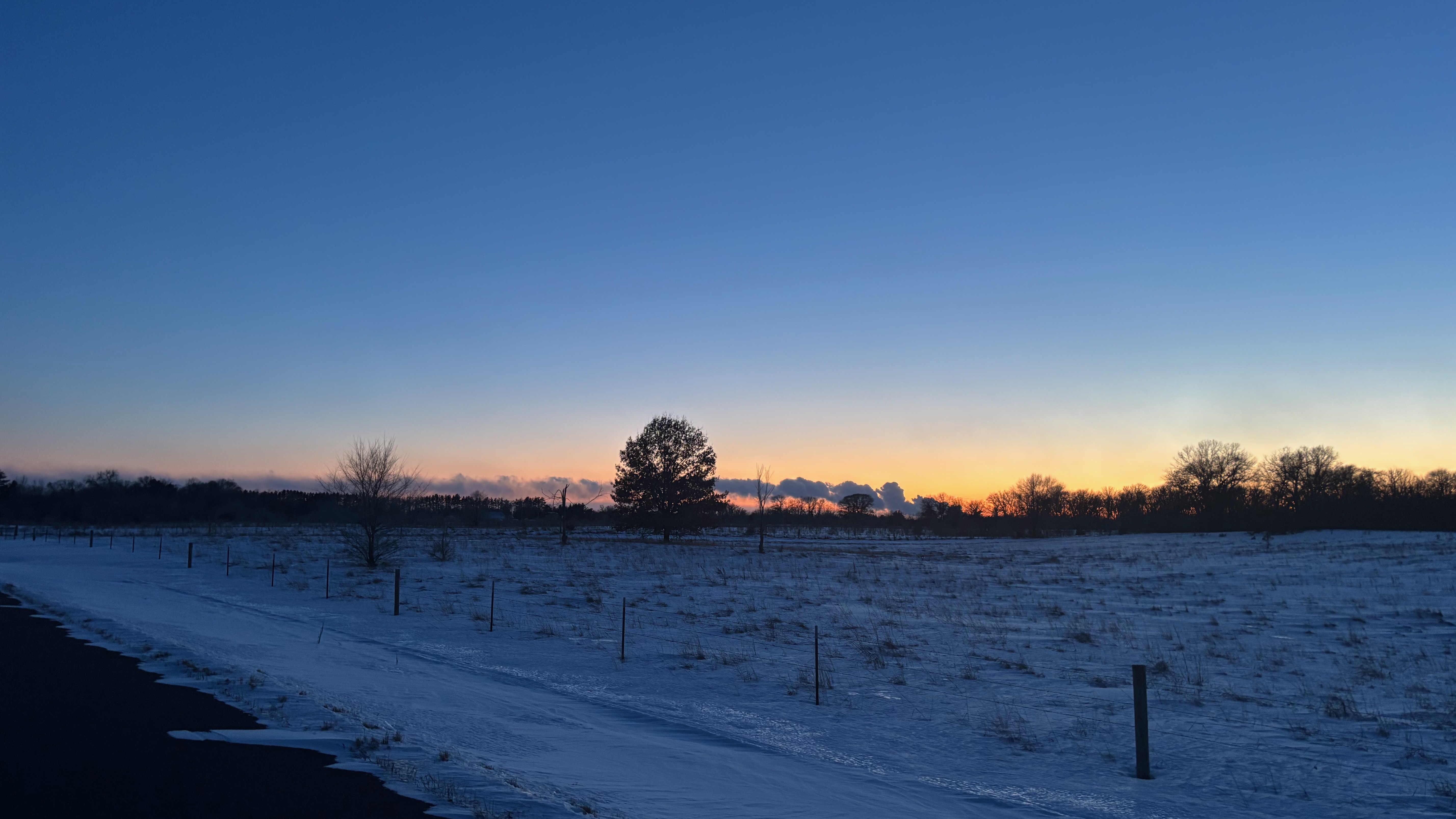
It’d be an interesting challenge to stretch out-of-season reading to its extreme and find books on the opposite microseason.
Finding a summer book to read in winter is easy, but what would you read in mid-January to contrast the season of Taka sunawachi waza o narau, the microseason of mid-July of lesser heat when hawks learn to fly? It’s way too specific to find a literary equivalent winter book of, what, “lesser cold” when a hawk would presumably have full command of the sky? This is really stretching the out-of-season theme to its breaking point, although you could probably find a January passage like this in J.A. Baker’s “The Peregrine.”
To really read out of microseason, you’d need to take some creative liberties by finding the mood or atmosphere inside those natural calendars, and find your way identifying its opposite and a book recommendation to match it. For now, I’ll just sit in the summer sun and read about polar explorers bundling into comforters and huddling for warmth as the winter drags on and on.