It’s pretty common for cradle-to-grave biographies to open with a few chapters of the subject’s parents or grandparents so readers have a full picture of background. But my absolute, favorite niche thing in two biographies I love is when the author decided that to really understand their subject, they had to go way, way back.
That in order to truly understand a person, you first need to understand the geologic history of where they grew up.
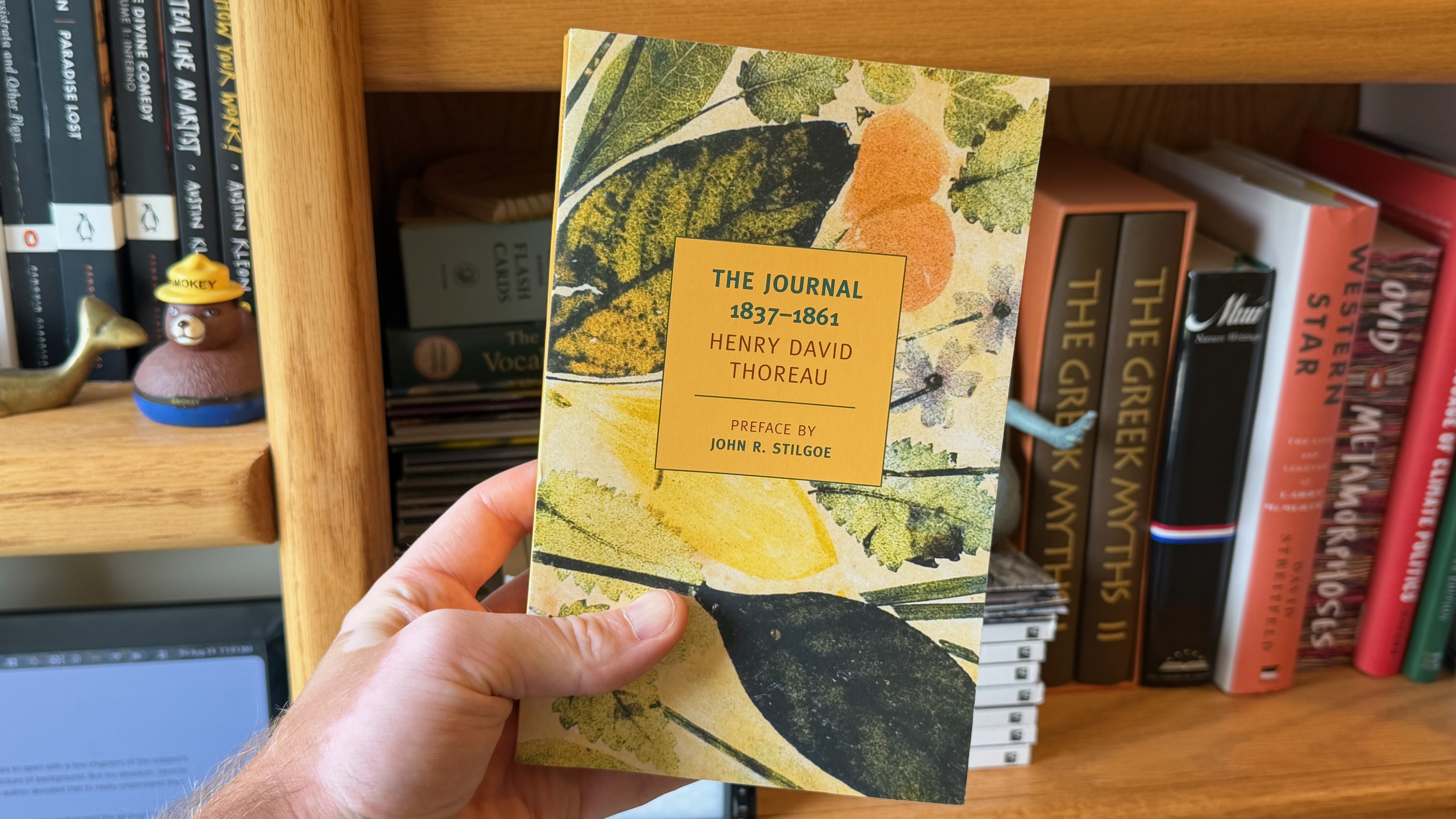
This makes a lot of sense for a biography of Henry David Thoreau, whose life was so entangled with nature, it’d be impossible to write a biography without discussing the land.
In Laura Dassow Walls’ Thoreau biography, she says:
“No American writer is more place centered than Thoreau … Thoreau used the specifics of place to embody deeper and more universal truths … To grasp Thoreau means grasping where he was and how it came that way.”
Dassow Walls then shares how Walden Pond — the 102-foot kettle pond where Thoreau wrote his most famous book “Walden” — formed when a “huge block of ice fractured off the face of a retreating glacier.” She then shares a short history of the 600,000 years of glaciation and warming that shaped North America, how that affected the vegetation that began growing 11,000 years ago, and how indigenous people adapted to the evolving landscape for thousands of years. Now this is the historical background I yearn for!
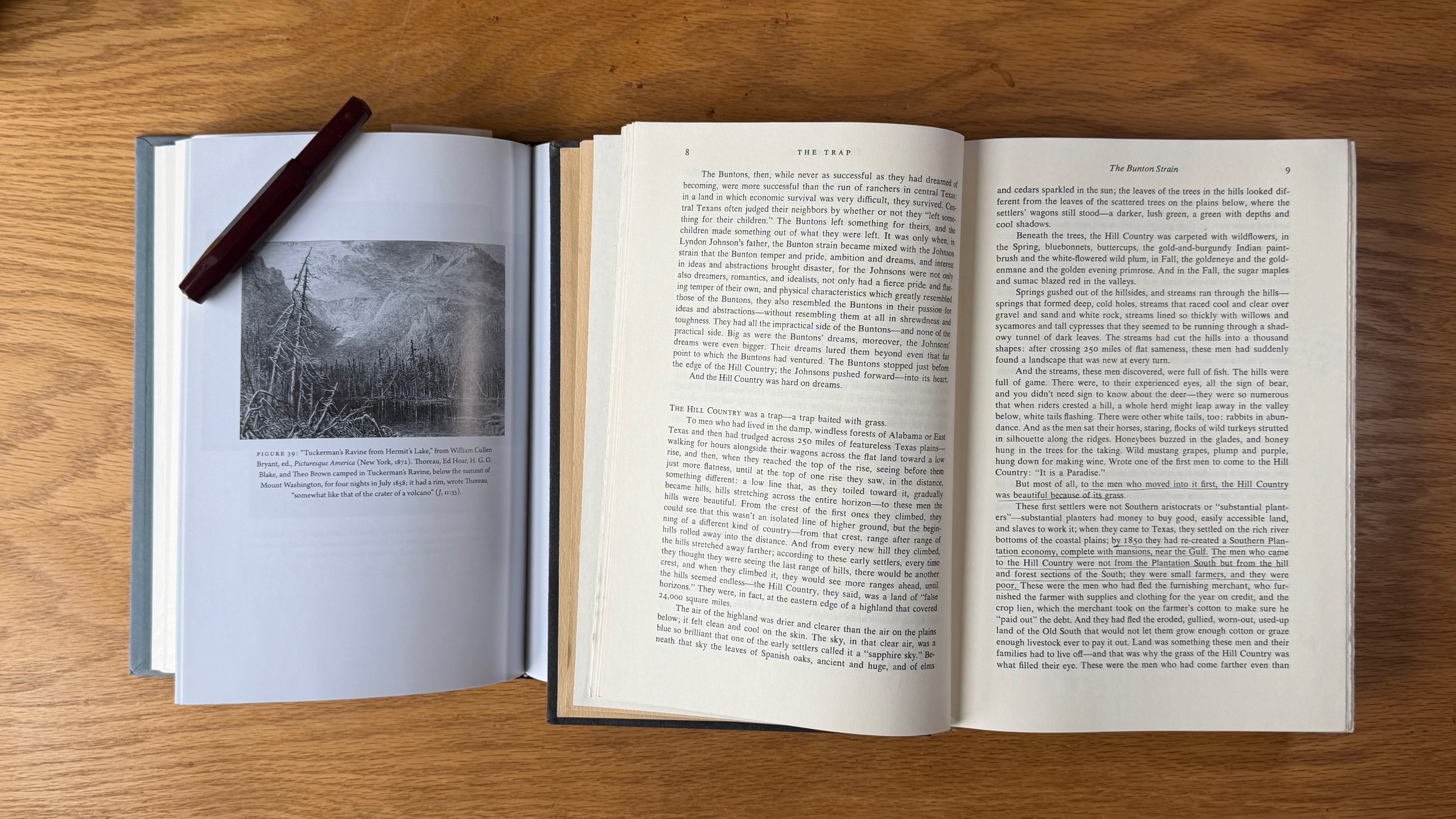
Robert Caro takes a similar path in his 3,000-page series on Lyndon B. Johnson.
Caro’s “The Path to Power” opens by saying to truly understand how a simple, poor farm boy grew up to become the most powerful man in the country, leveraging his power to push civil rights policies through the Senate in unprecedented ways before becoming President, you first needed to know how the Texas Hill Country where he grew up financially ruined his father and set the tone for LBJ’s upbringing.
Here’s Caro:
“Those rocks were the soil—they were the topmost layer of the limestone of which the Hill Country was formed. The Hill Country was down to reality now—and the reality was rock. It was a land of stone, that fact was plain now, and the implications of that fact had become clear. The men who had come into the Hill Country had hoped to grow rich from the land, or at least to make a living from it. But there were only two ways farmers or ranchers can make a living from land: plow it or graze cattle on it. And if either of those things was done to this land, the land would blow or wash away. “
And further on:
“Success in such a land required not a partial but a total sacrifice of idealism; it required not merely pragmatism but a pragmatism almost terrifying in its absolutely uncompromising starkness. It required a willingness to face the hills head-on in all their grimness, to come to terms with their unyielding reality with a realism just as unyielding—a willingness, in other words, not only to accept sacrifices but to be as cruel and hard and ruthless as this cruel and hard and ruthless land.”
You can’t completely capture Caro’s power through a few quotes — but those opening chapters of “The Path to Power,” in which you get a long, deeper look into how the land in Texas Hill Country came to be — they’re one of my absolute favorite things I’ve read.